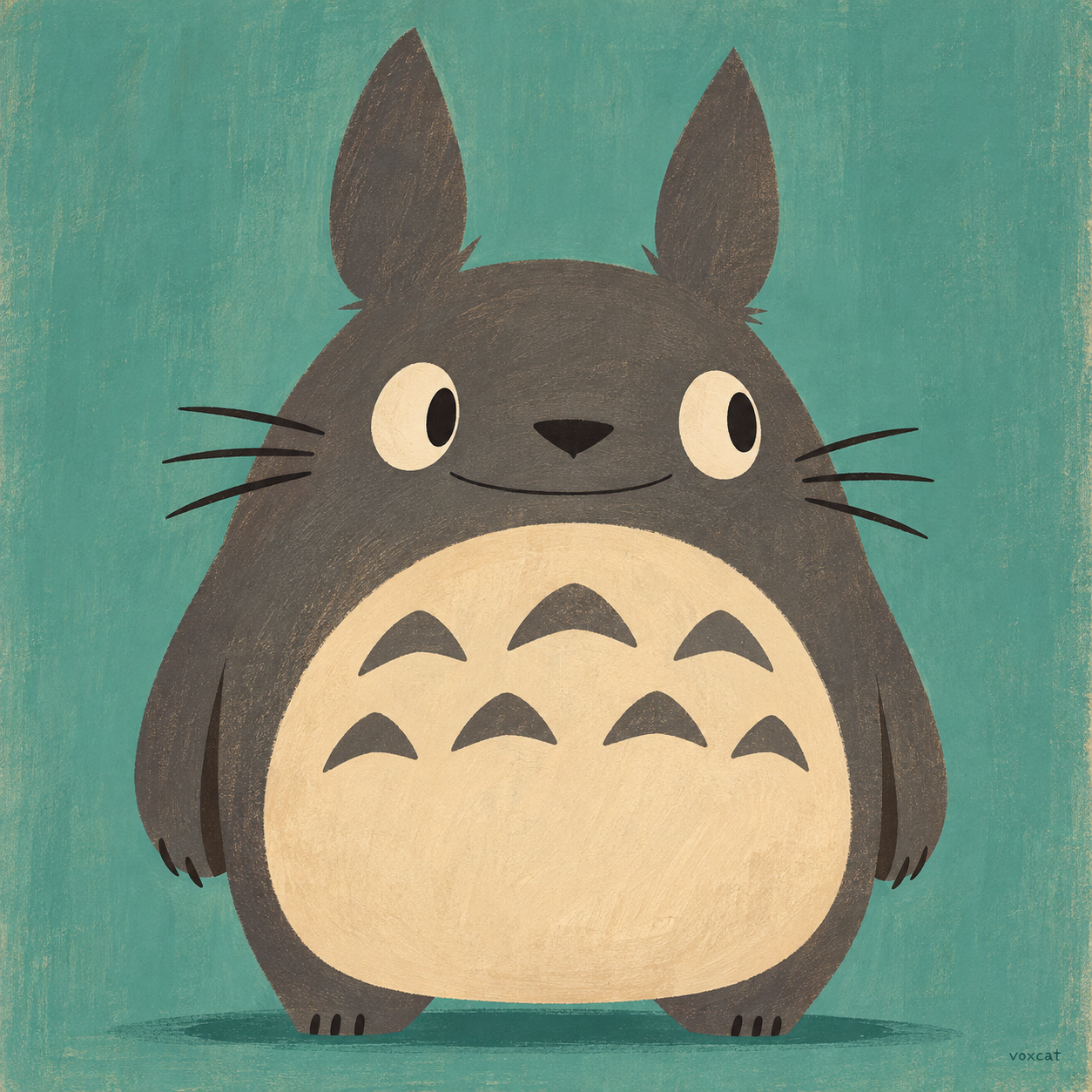
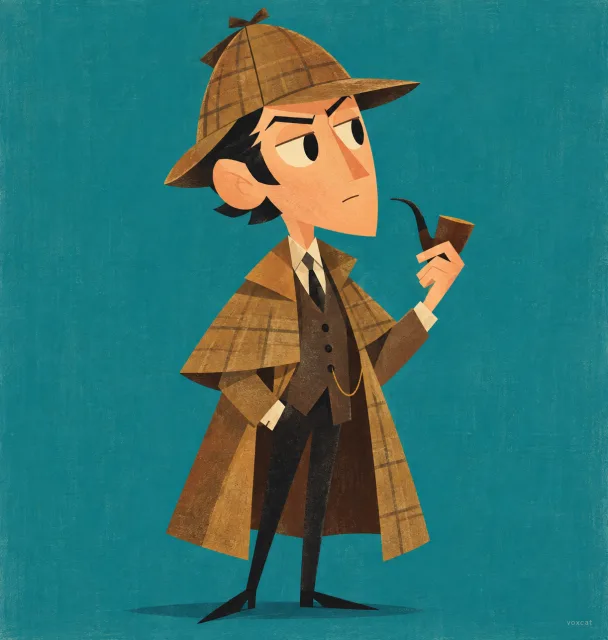
Image-generation prompt to redraw your favorite character in a retro picture-book style
Prompt
【Character / Work】,mid-century modern character illustration × 1950s UPA animation design × retro children’s book art × geometric character simplification。

If you fill in 【Character / Work】 with a character, redesign that character as a version that fits within the 1950s–60s American modernist animation and children's picture-book system; if you fill in 【Character / Work】 with a work, choose 4–6 of the most representative core characters from the work and translate them into a single mid-century modern visual system.

High-priority retention of the character's strongest identity anchors:
hairstyle silhouette, hair color, primary eye color, most prominent facial feature, character primary color, iconic clothing structure, insignia, weapon, headdress, cape, mechanical elements, or other the most recognizable identity symbols.

Do not simply shrink the original character into a regular chibi.
You must redesign the form system:
compress complex costumes, weapons, hairstyles, armor, accessories, and body proportions into simple, clear, and well-designed geometric structures, retaining only the most critical silhouettes and color-block relationships.

Character proportions to use:
oversized head × compact torso × simplified limbs × iconic silhouette.

Heads may be circular, square, trapezoidal, oval, or other strong graphic geometric shapes;
torsos short and compact;
arms and legs simplified into cylinders, wedges, or narrow strips;
shoes, gloves, capes, weapons, and mechanical parts all translated into very simple geometric shapes;
the overall silhouette should be bold and immediately recognizable.

Faces use a highly abstracted mid-century animation facial design:
large simplified eyes,
minimal nose and mouth lines,
clear eyebrow shapes,
simple expressions,
no modern anime-style complex glossy eyes,
no realistic facial modeling.

Expressions should automatically match the character's personality:
aloof, proud, alert, mischievous, hesitant, confident, wooden, angry, gentle, or quirky,
but always remain graphic, simple, and readable.

Overall visual language:
mid-century modern illustration × UPA character design × Atomic Age graphic design × retro picture-book illustration × editorial character design.

Painting medium simulation:
opaque gouache,
tempera-like matte paint,
dry-brush grain,
soft pigment variation,
subtle paper tooth,
screenprint-inspired flat color structure.

Color blocks should be primarily opaque matte flat fills,
avoid modern digital gradients,
avoid high-gloss 3D materials,
avoid realistic metallic reflections,
avoid CG plastic-like appearance.

Slight dry-brush texture and pigment granularity may be retained within characters,
but overall surfaces should be clean, intact, and fresh—not aged printed material,
not yellowed paper,
not damaged posters.

Use a classic mid-century muted palette:
teal,
turquoise,
coral red,
brick red,
mustard yellow,
olive green,
cream,
warm beige,
charcoal black.

Automatically reorganize the palette based on the original primary colors of the 【Character / Work】;
limit each character to 3–5 main colors,
ensure clear large color-block relationships,
reduce small fragmented colors and complex gradients.

Backgrounds are minimalist flat color fields:
single-color or two-color backgrounds,
possible choices include teal, coral, olive, mustard, cream, blue-green, etc.;
backgrounds may retain subtle vertical or horizontal brush strokes,
but avoid complex environments.

Characters are usually shown standing independently or front-facing,
like animation model sheets, children's book character pages, magazine character illustrations, or promotional portraits.

If a single character:
centered or slightly off-center,
full body or bust,
ample surrounding negative space,
emphasize silhouette and proportion design.

If a 【Work】 ensemble:
use a regular grid such as 2×2, 2×3, or 3×2,
one character per cell,
all characters share a unified background color system and painting medium,
but each cell may use a different background keyed to the character's main color,
creating a cohesive series.

Maintain a unified design language across characters:
same head-to-body compression logic,
same degree of geometric abstraction,
same paint texture,
same simplified lighting approach,
while allowing each character to retain distinct identity.

Lighting and shading to use:
non-illusionistic flat lighting,
flat graphic shading,
minimal form shadow.

Character volume should be suggested only by a small number of light/dark color blocks and localized shadows,
no cinematic lighting,
no volumetric light,
no complex specular reflections,
no photographic modeling of form.

The overall result must look like a newly created series of mid-century modern character illustrations:
clean contemporary reproduction,
fresh gouache surface,
crisp silhouette,
controlled dry-brush texture,
clear flat color separation,
high-resolution editorial finish.

Not a scanned old poster,
not a vintage filter,
not distressed printing,
not ordinary chibi,
but a true redesign from form logic, proportion system, color system, brush medium, and compositional language into 1950s–60s modernist animation character art.

Do not include any text except an extremely small “voxcat” signature in the lower right corner.
Summary
Replace the original 【Character / Work】 with a character name or a work title. Redesign while retaining key features into a geometric form that evokes 1950s–60s American picture books and animation. If you provide a work title, group 4–6 main characters in the same visual style.